
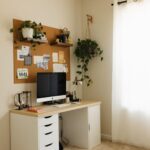







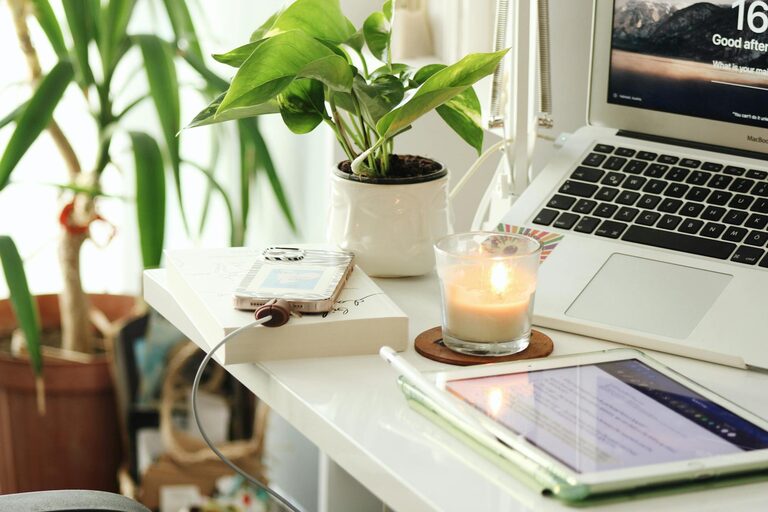
Creating a home office environment that supports your productivity can make a significant difference in your workday. Whether you work remotely full-time or occasionally, having a dedicated, well-organized space can help you stay focused and motivated. Here are practical tips to help you design a productive home office.
Choose the Right Location
Your home office location sets the tone for your workday.
– Pick a quiet spot: Choose an area with minimal distractions to help you concentrate.
– Natural light matters: Work near a window if possible. Natural light can improve mood and reduce eye strain.
– Separate work from leisure: Avoid using places meant for relaxation, like bedrooms or sofas, to mentally distinguish work time.
Invest in Comfortable Furniture
Comfort supports endurance during long work hours.
– Ergonomic chair: Select a chair that supports your spine and promotes good posture.
– Desk size: Ensure your desk has enough space for your computer, paperwork, and essentials.
– Adjustable options: Desks or chairs that adjust in height help accommodate different tasks and body positions.
Organize Your Workspace
An organized desk reduces stress and saves time.
– Declutter daily: Remove unnecessary items at the end of each day.
– Storage solutions: Use drawers, shelves, or boxes to keep supplies organized.
– Cable management: Use clips or ties to keep cords neat and out of the way.
Optimize Lighting
Good lighting can enhance your focus and comfort.
– Mix light sources: Combine natural light with task lighting, like desk lamps.
– Avoid glare: Position screens and lamps to reduce reflections.
– Use warm light: Soft, warm lights are easier on the eyes during long sessions.
Minimize Distractions
Keeping interruptions to a minimum helps maintain a steady workflow.
– Set boundaries: Inform family or housemates of your work hours to reduce disturbances.
– Use headphones: Noise-canceling headphones can block background noises.
– Turn off unnecessary notifications: Limit alerts on your devices to only those essential for work.
Personalize Thoughtfully
Adding personal touches can make your workspace inviting but avoid clutter.
– Inspiring decor: Include items like plants, photos, or artwork that motivate you.
– Keep it simple: A few well-chosen decorations maintain a calm atmosphere.
– Comfort items: A cozy blanket or cushion can add comfort without distraction.
Establish a Routine
A steady routine reinforces work habits.
– Set work hours: Define clear start and end times to establish boundaries.
– Take scheduled breaks: Short breaks improve focus and reduce fatigue.
– Use a task list: Plan daily goals to stay on track.
Technology and Connectivity
Reliable technology supports uninterrupted work.
– Stable internet: Ensure a fast and dependable connection.
– Essential tools: Keep your computer, printer, and other devices maintained.
– Backup plans: Have alternatives like a mobile hotspot in case of outages.
Maintain Good Air Quality and Temperature
A comfortable environment enhances concentration.
– Ventilate regularly: Fresh air prevents drowsiness.
– Control temperature: Use a fan or heater to maintain a comfortable climate.
– Add plants: Certain plants can help purify air naturally.
—
Creating a productive home office involves a mix of comfort, organization, and thoughtful design. By focusing on these tips, you can build a space that supports your best work every day. Remember, the goal is to make your office a place you look forward to spending time in—one that encourages focus, efficiency, and well-being.